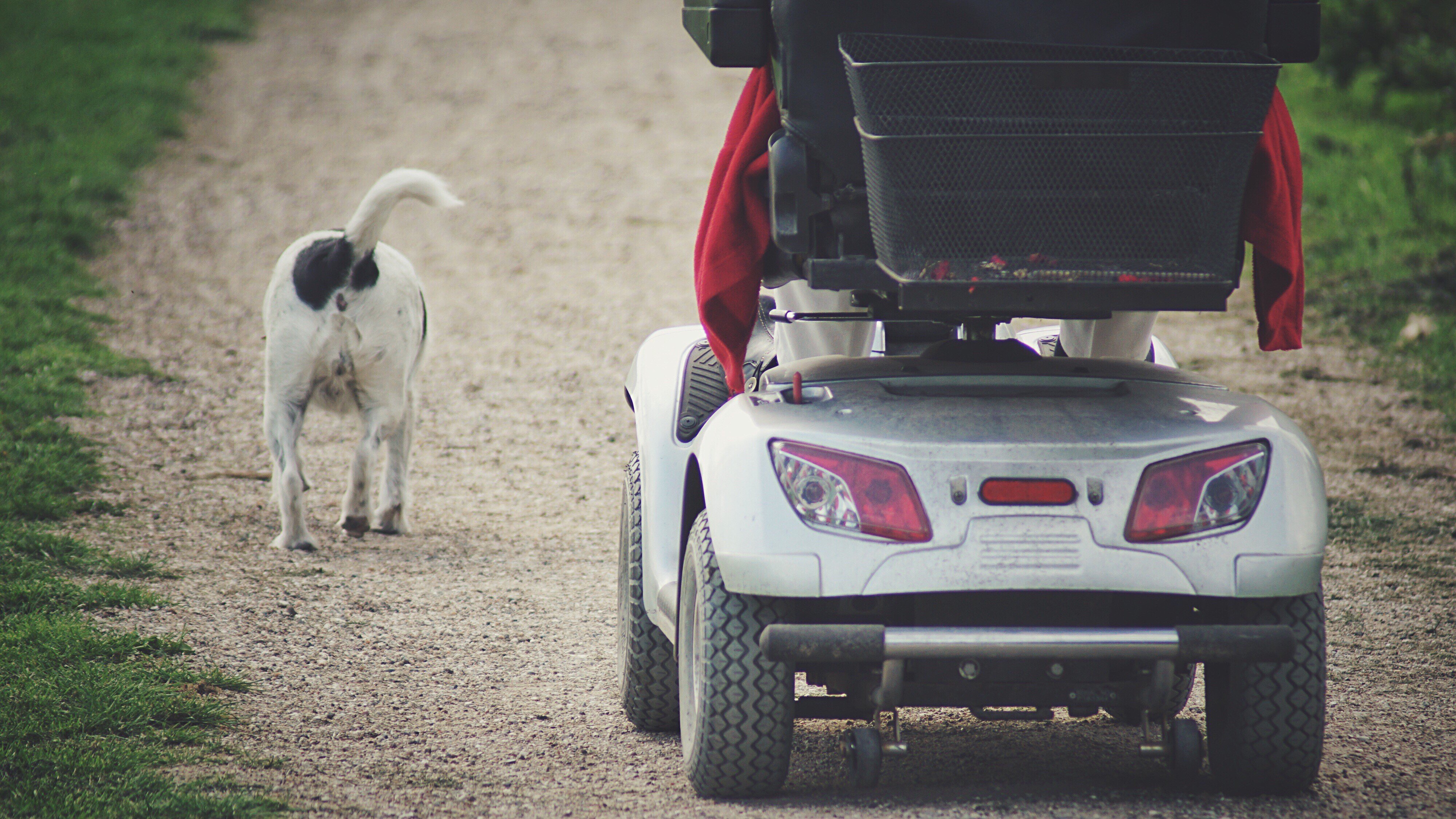
Are You Getting The Most Value The Use Of Your Mobility Scooter?


Understanding Mobility Scooters: A Comprehensive Guide
Mobility scooters have become a necessary tool for individuals who face mobility difficulties, supplying independence and a way of transport. They are designed to help users in browsing various terrains, whether inside or outdoors, enabling them to engage more completely in daily activities. This short article will check out the kinds of mobility scooters, their features, advantages, and considerations for prospective users.
What is a Mobility Scooter?
A mobility scooter is a motorized car produced people with physical restrictions. It assists users keep their mobility and independence, supplying an effective methods of transport over brief ranges. While they might look similar to small electric vehicles, mobility scooters are generally powered by batteries, with controls designed for ease of use.
Types of Mobility Scooters
There are numerous types of mobility scooters offered in the market, each developed to accommodate various requirements and preferences. Here's a breakdown of the most typical types:
| Type of Mobility Scooter | Description | Best For |
|---|---|---|
| Three-Wheeled Scooters | These scooters provide excellent maneuverability and small turning radius however may lack stability. | Indoor usage and tight areas. |
| Four-Wheeled Scooters | Often more steady than three-wheeled models, these scooters are perfect for outside use. | All-terrain travel and outdoor activities. |
| Portable Scooters | Lightweight and collapsible, these scooters are developed for easy transportation. | Travelers and people with restricted storage space. |
| Durable Scooters | Constructed for larger users, these are robust and can deal with much heavier weights, typically geared up with much better battery life. | Users needing extra support and stability. |
| Feature-Rich Scooters | These may include sophisticated innovation such as Bluetooth connectivity, built-in GPS, and adjustable seating. | Tech-savvy users searching for comfort and benefit. |
Secret Features of Mobility Scooters
When selecting a mobility scooter, purchasers should consider a number of important features. The following list outlines important aspects that can considerably influence their experience:
- Weight Capacity: Understanding the scooter's weight limit is important to make sure security and performance.
- Battery Life: A longer battery life equates to more prolonged use in between charges, which is important for prolonged trips.
- Speed: Typical mobility scooters can reach speeds between 4 to 8 miles per hour, however it's necessary to choose one that matches the user's requirements.
- Convenience: Look for adjustable seats, armrests, and backrests that boost the overall riding experience.
- Portability: If taking a trip frequently, a lightweight and foldable scooter is useful.
- Surface Capability: Some scooters are better geared up for rough terrains, while others work best on smooth surface areas.
Benefits of Using Mobility Scooters
Mobility scooters offer numerous advantages that can significantly improve users' lifestyle. These include:
Increased Independence
Many people who deal with mobility rely on family or caretakers for transport. Mobility scooters empower users to move about freely and perform errands on their own, cultivating a sense of independence and self-sufficiency.
Enhanced Quality of Life
Having the capability to travel unassisted can cause social engagement, improved psychological well-being, and in general better lifestyle. Users can take part in social activities, visit loved ones, and explore their communities.
Cost-Effectiveness
Compared to other mobility help or services, mobility scooters can be more cost-efficient. They can eliminate the need for expensive changes to homes or dependence on transport services.
Adjustability and Customization
Many mobility scooters come with choices for personalization, guaranteeing that users can customize them to best satisfy their private needs.
Considerations Before Purchase
Before deciding on the best mobility scooter, potential purchasers must keep these considerations in mind:
- Lifestyle Needs: Assess how the scooter will suit daily routines, including the frequency and locations of use.
- Trial Rides: If possible, taking a few models for a test drive can assist gauge comfort and maneuverability.
- Budget: Costs can vary extensively, so specifying a budget upfront is essential.
- Warranty and Service: Always think about the warranty provided and the schedule of customer support in case of repairs.
FAQs About Mobility Scooters
1. How quick do mobility scooters go?
Mobility scooters generally range from 4 to 8 miles per hour, depending on the design and its power capacity.
2. Are mobility scooters covered by insurance coverage?
Lots of insurance plans might cover part of the expense if a physician prescribes the scooter; nevertheless, policies vary substantially.
3. Can mobility scooters cheap drive a mobility scooter on the roadway?
This depends on regional laws and regulations. In some areas, mobility scooters may be allowed on public roads, while in others, they are restricted to sidewalks and paths.
4. For how long does the battery last?
Battery life typically depends upon the scooter model and type of usage. Normal mobility scooter batteries can last anywhere from 6 to 12 miles on a single charge.
5. Are mobility scooters safe?
Mobility scooters are usually safe when utilized properly. It's necessary to acquaint oneself with the controls and operate them properly.
Mobility scooters play an essential role in the lives of individuals with mobility challenges. By understanding the types, functions, benefits, and factors to consider related to these vehicles, users can make informed options. This can cause increased self-reliance, a much better lifestyle, and renewed access to the world around them. Whether for social outings, errands, or leisure activities, a mobility scooter can be a life-changing investment for numerous individuals.